Aegis Station

Shielding Humanity's Future in Space

📢 Latest Articles

More current updates and deep dives:

See all posts →

About Aegis Station

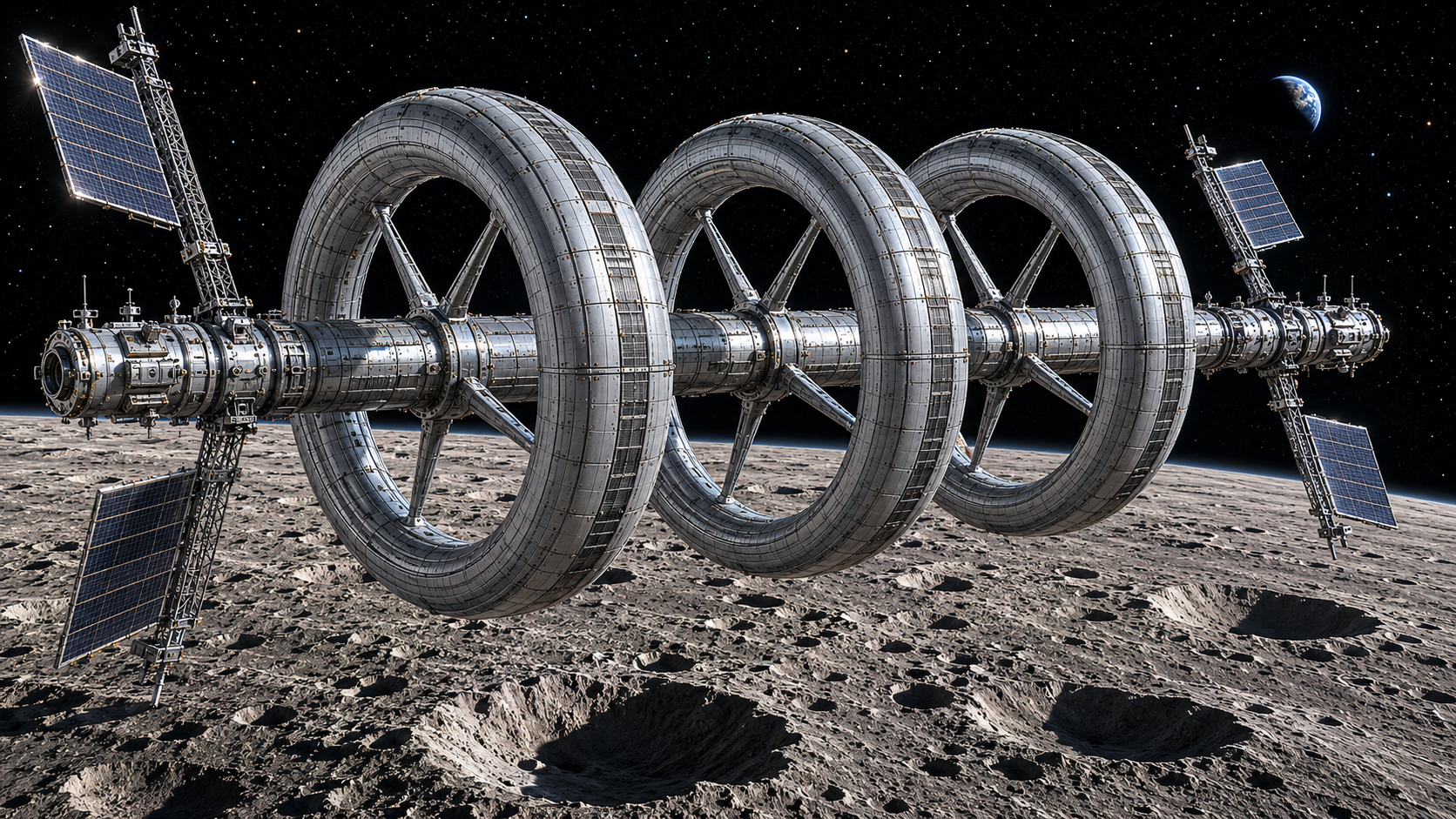
Aegis Station is a civilian orbital infrastructure platform—modular, shielded, and engineered for long-duration life and operations in lunar orbit.

But Aegis is more than a habitat. It is an integrated system: water tankers, surface rovers, shuttles, and interorbital transports working together to move mass from the Moon into stable orbit. The station is the hub—but the logistics chain is the backbone.

Designed around proven technologies and near-term deployment pathways, Aegis prioritizes shielding, transport, and operational permanence first—enabling habitation, research, industry, and commerce to follow.

Aegis Station is not a distant vision. It is a buildable platform—and a scalable framework for sustained human presence beyond Earth.

Our Approach

Projects at the scale of Aegis Station exceed the practical scope of any single fabrication shop. They require coordinated development across propulsion, structures, life support, autonomy, logistics, and orbital systems.

For that reason, Aegis operates under a subcontractor-first model. Domain experts design and build individual systems, while centralized architectural authority and program management preserve design intent, control interfaces, manage integration risk, and maintain schedule discipline.

Implementation remains flexible. Architectural intent does not.

Explore Program Architecture & Technical Domains →

Why We Updated to 1g

Aegis Station was originally designed with 0.5g artificial gravity—enough to reduce health risks in orbit while easing structural demands. But as our vision matured and long-term habitation took center stage, we developed a 1g variant using the same core architecture.

The change nearly doubles habitable capacity without doubling cost. It also offers full Earth gravity for crew health, physical performance, and compatibility with terrestrial biological systems. Most supporting systems—shuttles, rovers, tankers—remain unchanged.

Highlights

🛰 Gradient One

A full-scale orbital testbed for artificial gravity—spinning at 350 meters to generate 1g at the floor. Gradient One is designed to validate artificial gravity for real habitation.

Visit the Gradient One Page →

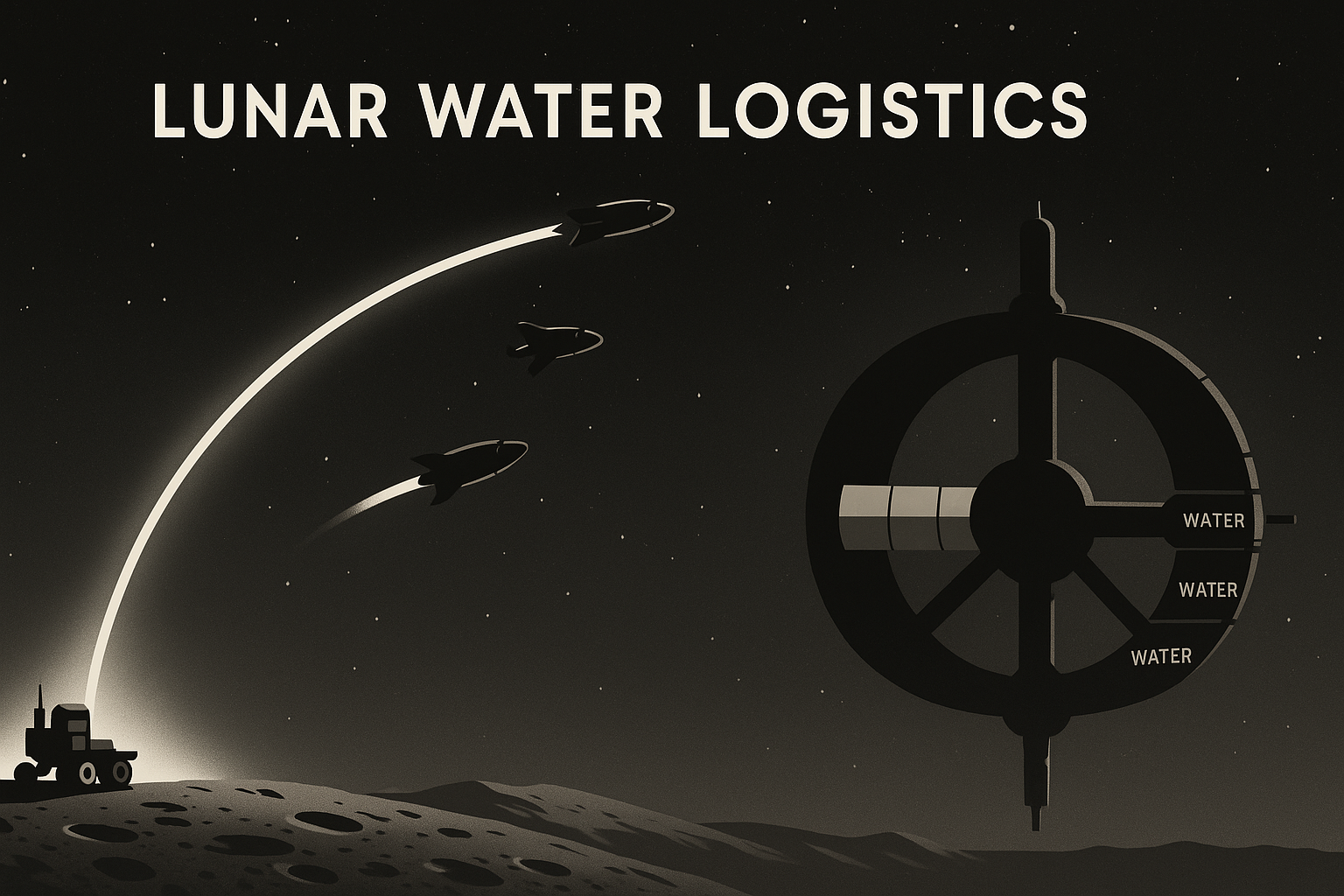
Lunar Water Logistics

A world in orbit begins with water.

Shielding, life support, and long-term operations depend on a reliable lunar supply chain—this is the system that makes it possible.

See how lunar water powers Aegis Station and the off-world economy.

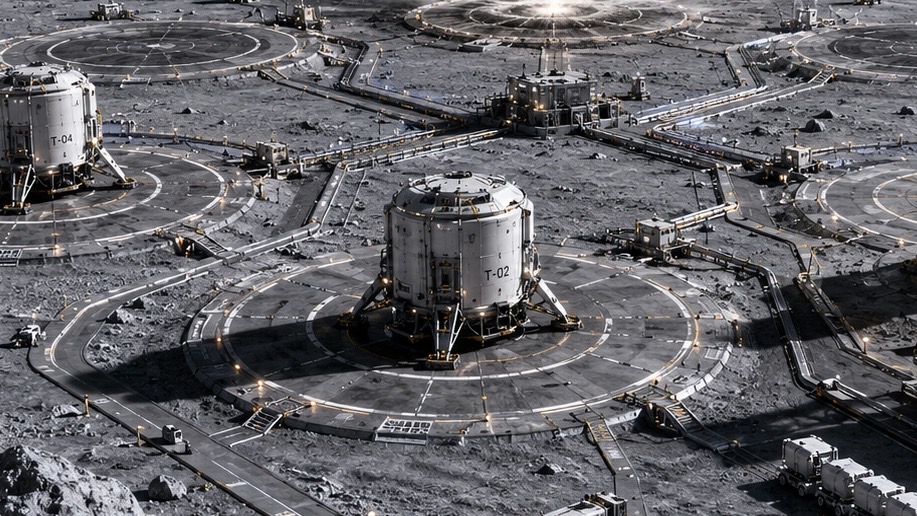
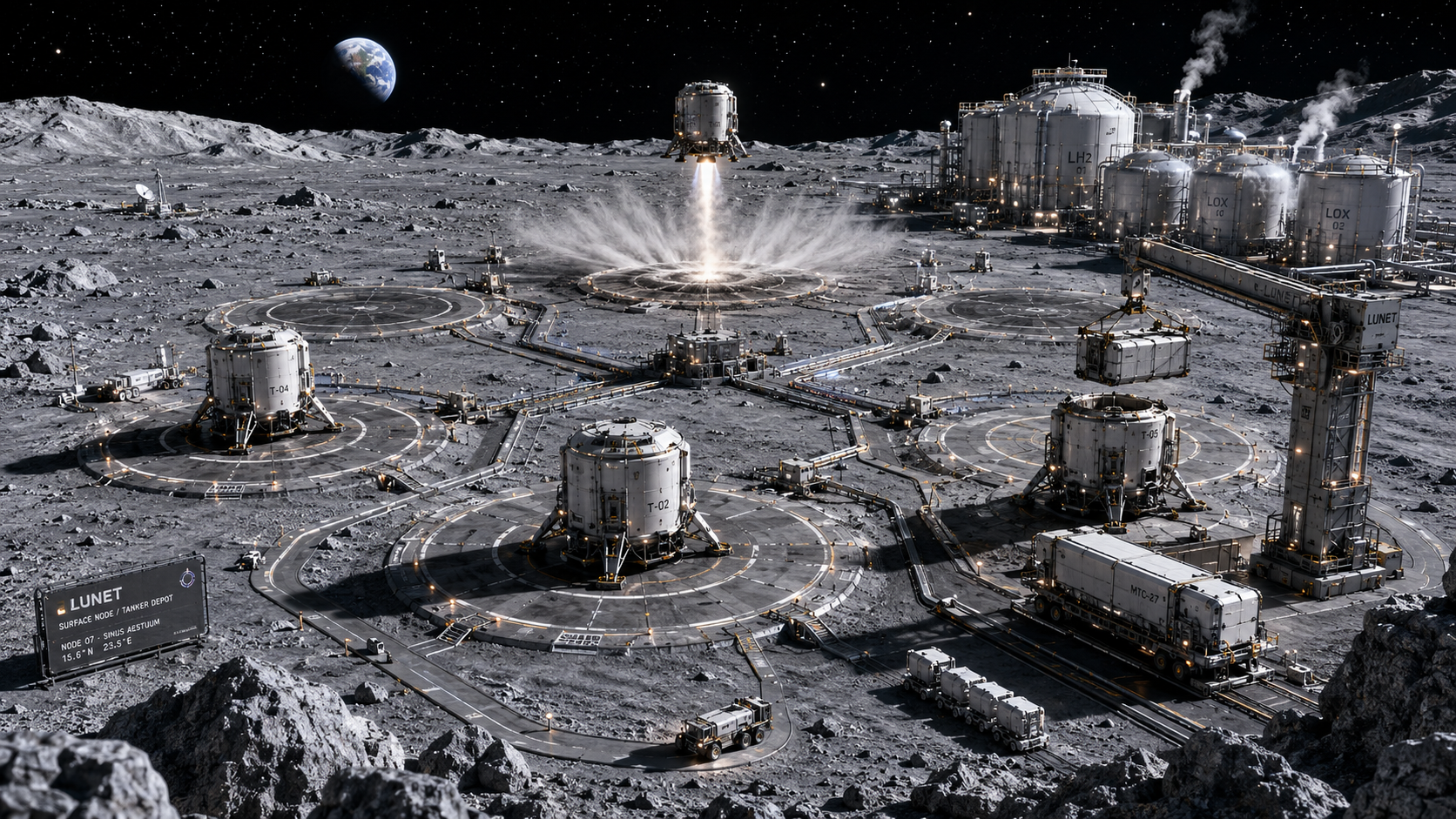
🌐 LUNET

Lunar Utility Node & Exchange Terminal — a distributed surface–orbit system coordinating power, water, mobility, and data across the Moon.

LUNET connects fuel production sites, rovers, depots, and orbital nodes into a coherent, scalable lunar infrastructure—designed to grow.

Explore LUNET →

🏗️ Construction & Deployment

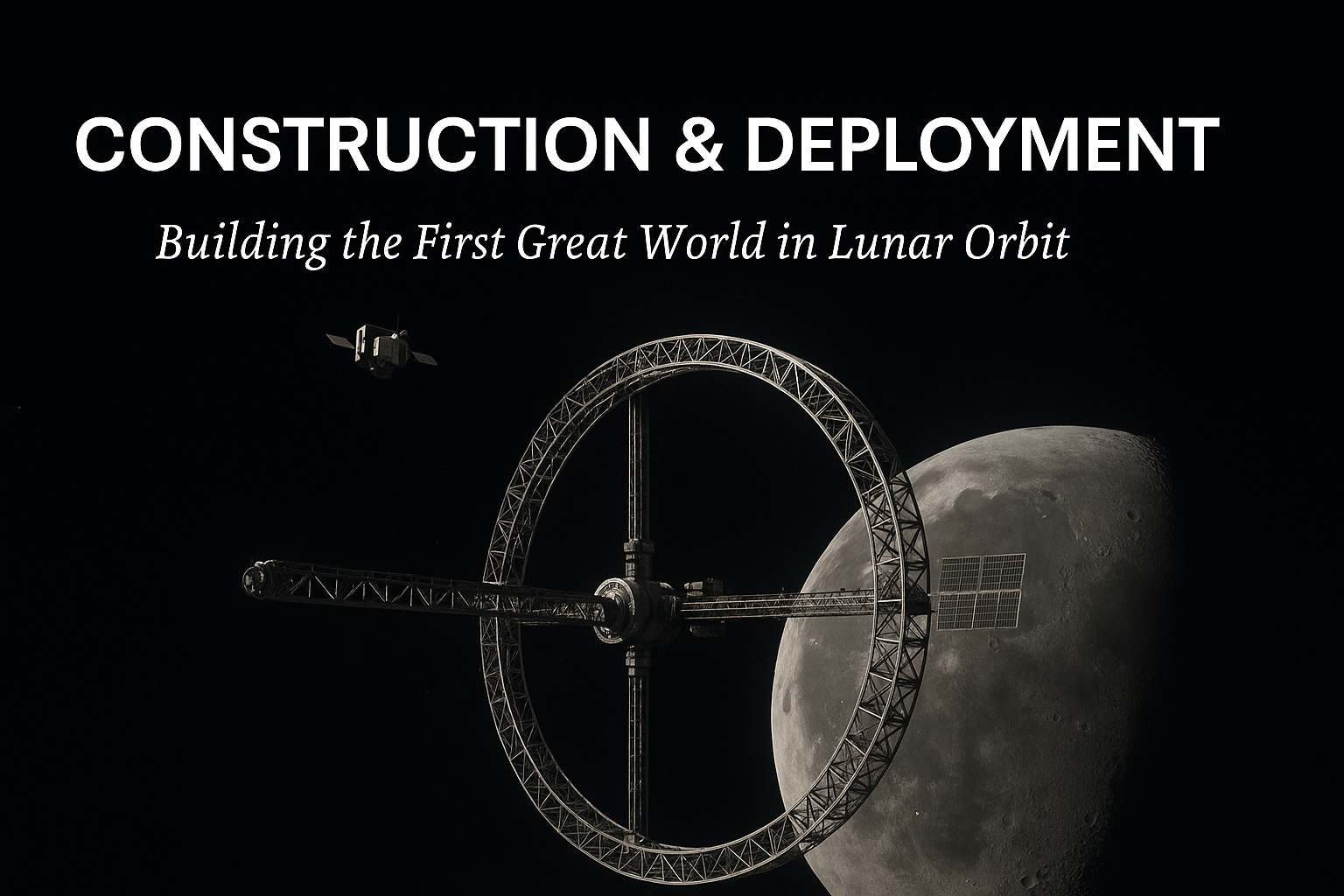
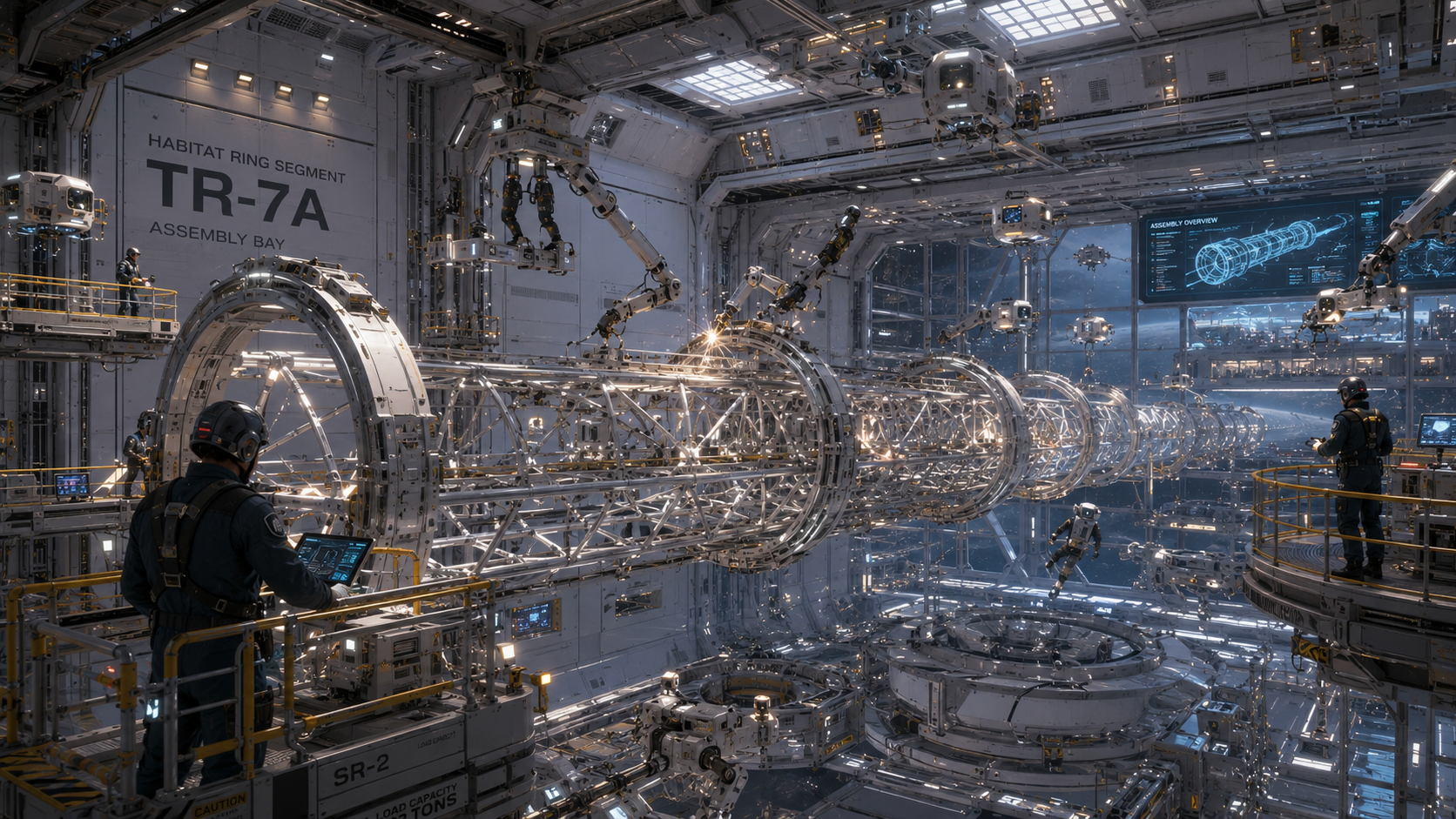
Aegis Station is assembled in lunar orbit using modular components and lunar-sourced water for shielding. Construction begins dry, with a phased buildout and activation timeline that enables early operations and long-term scalability.

See how we’re building Aegis Station →

Lunar Tanker Fleet

The Lunar Water Tanker Fleet is the backbone of Aegis Station’s shielding campaign and the cornerstone of a future orbital resource economy. These rugged autonomous vehicles ferry water from the Moon’s surface to low lunar orbit at unprecedented scale—fueling life, shielding against radiation, and laying the groundwork for ISRU-based logistics beyond Earth orbit.

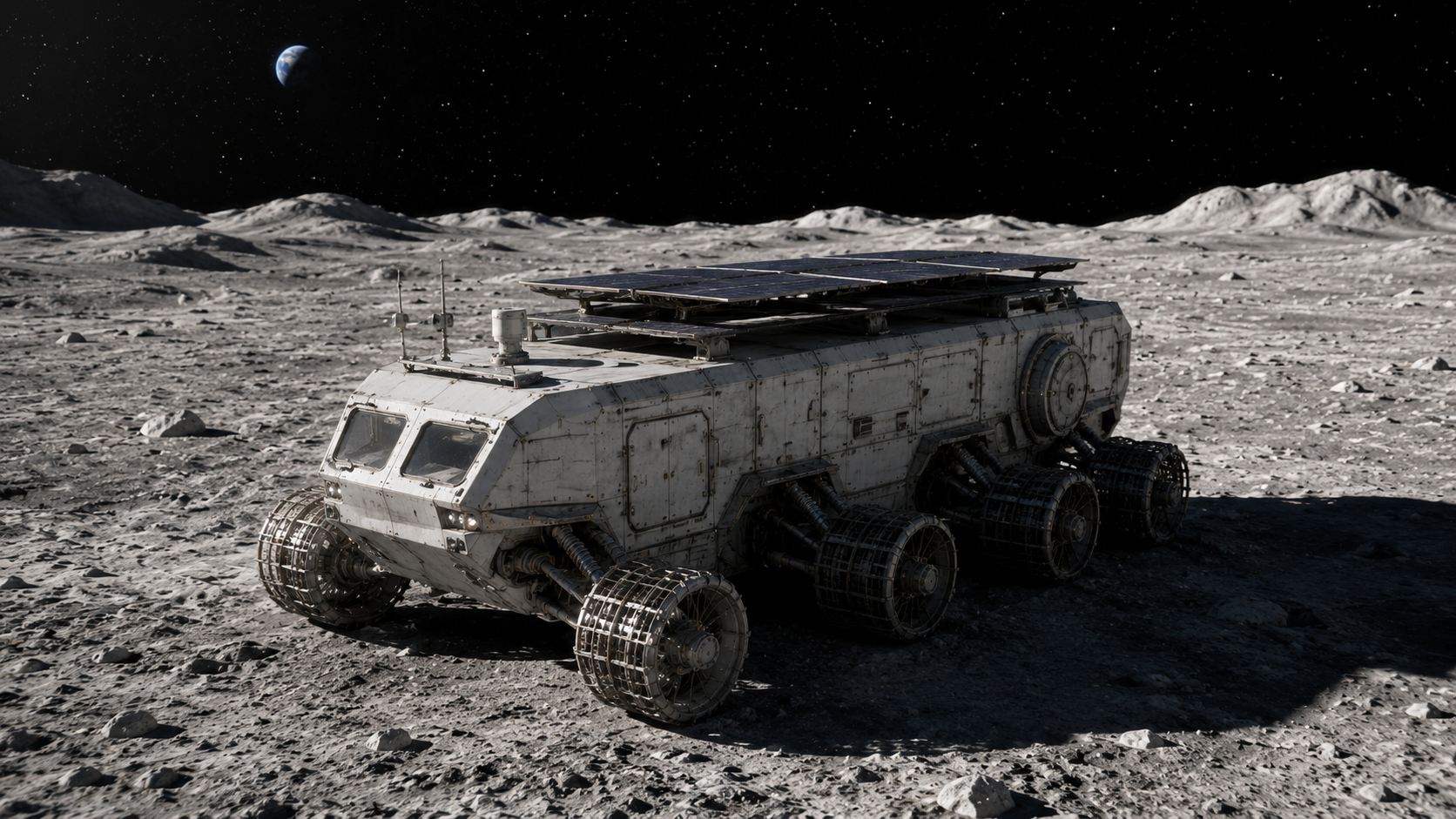
Aegis-Class Rover

“Bob’s Rover” — A Mobile Stronghold for Lunar Exploration

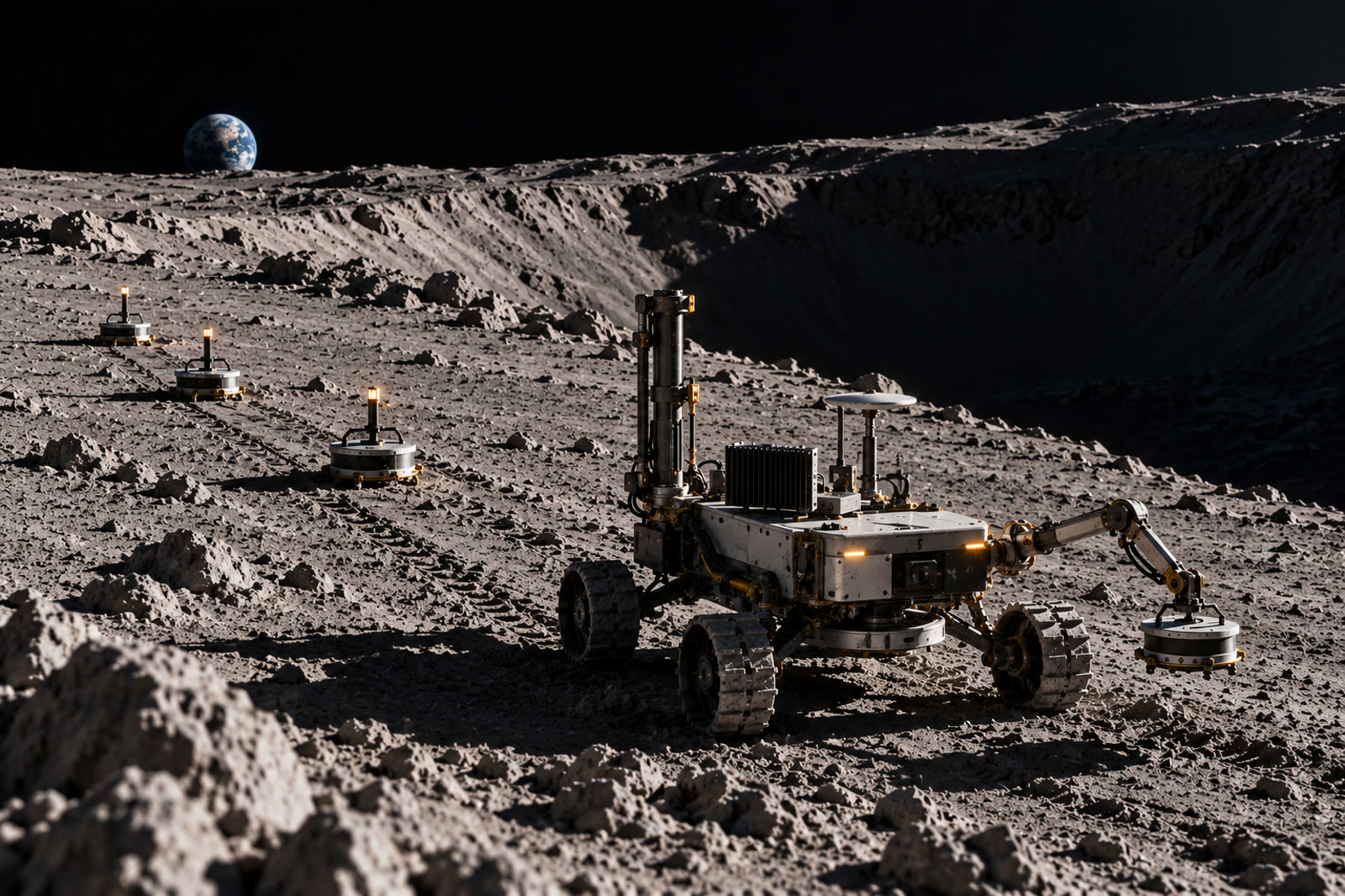
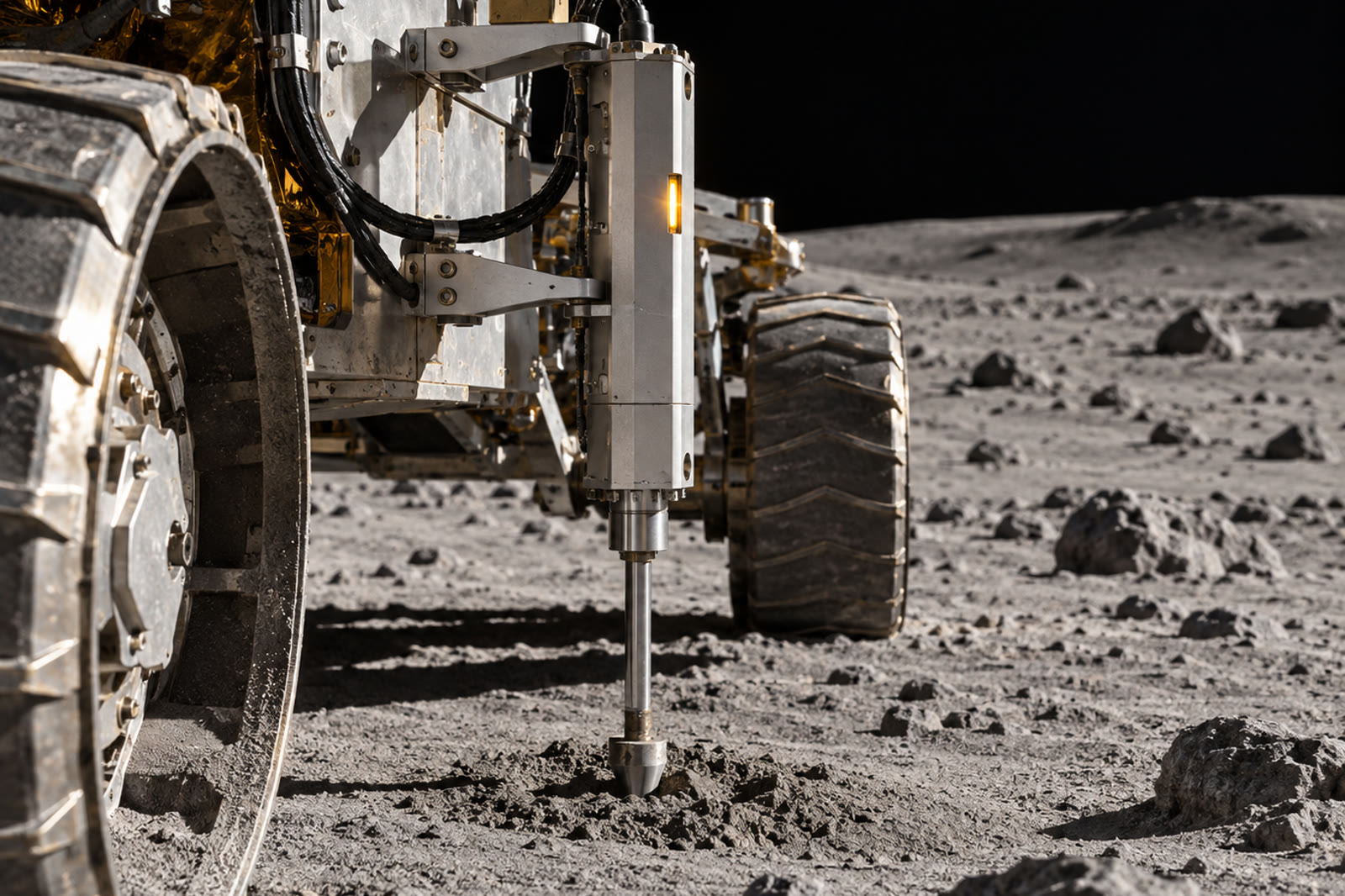
The Aegis-Class Rover is a rugged, pressurized vehicle designed to support lunar surface missions in polar terrain. Built for prospecting, scouting, and water mining operations, it extends the reach of Aegis Station and serves as a self-contained platform for both crewed and autonomous sorties.

Mission Profile

The rover enables:

Its integration with Aegis Station and autonomous LUNET surface utility nodes allows it to operate continuously without crew support — unlocking hard-to-reach terrain and sustaining long-term lunar activity.

Systems Summary

Download Rover Dossier

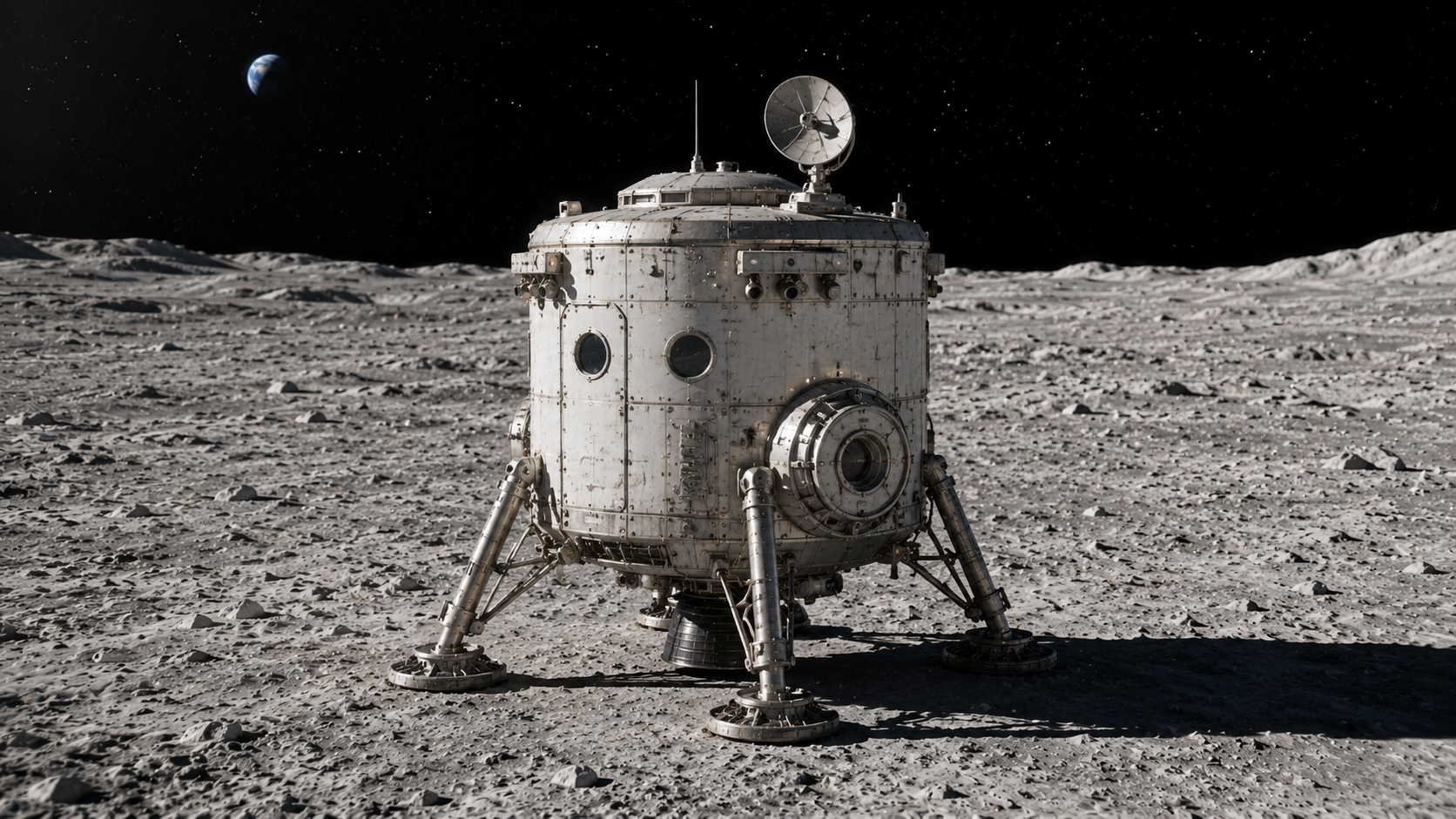
Luna–Aegis Shuttle

The "Short Hopper" – Linking Surface and Station

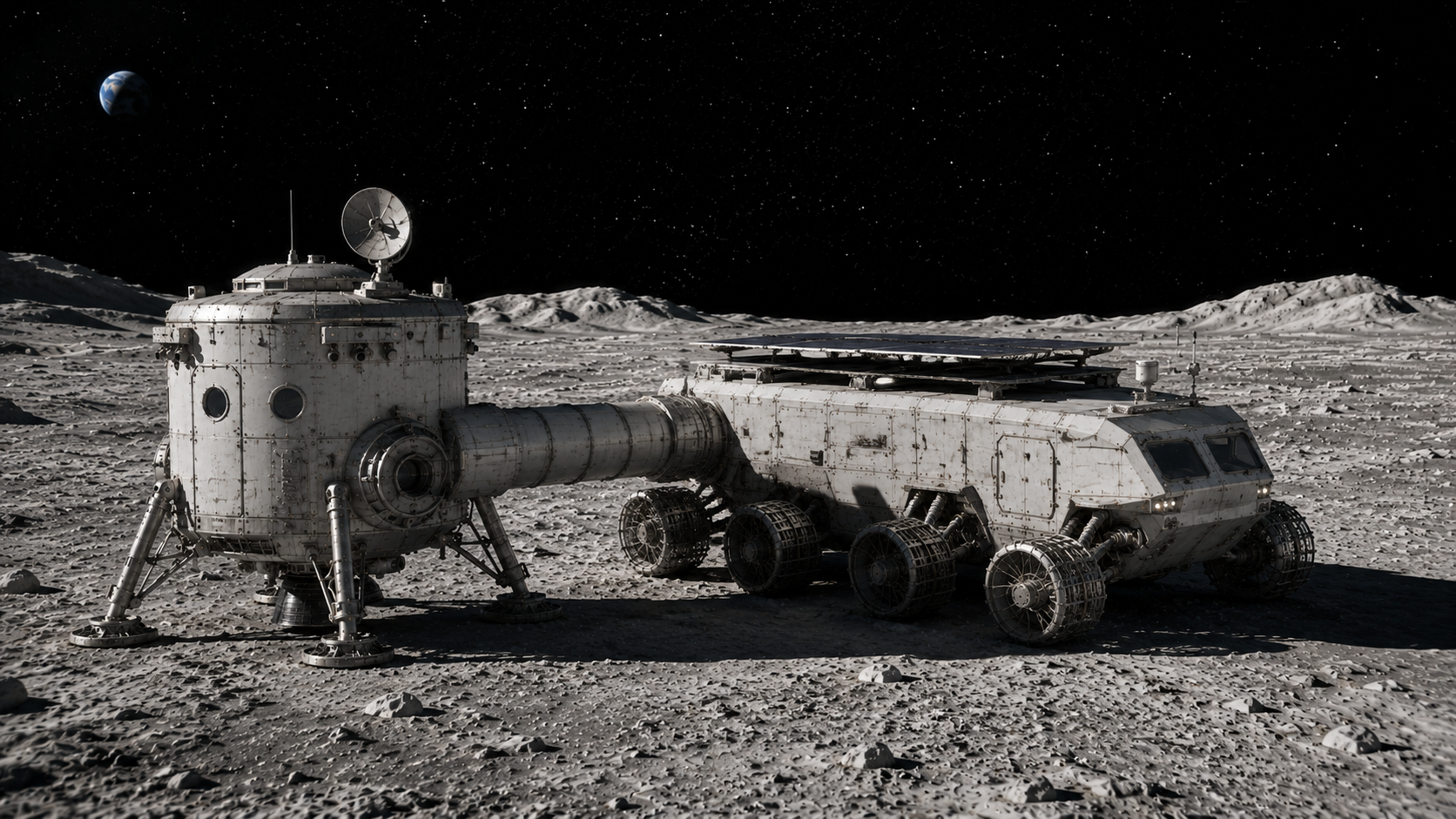
The Luna–Aegis Shuttle is a compact, reusable lunar ferry that connects Aegis Station in orbit with key surface sites near the lunar south pole. Designed for both crew and cargo, it enables rapid, safe, and direct transfers — including seamless docking with the Aegis-Class Rover.

Operational Profile

The shuttle operates as a short-range workhorse, flying round trips from Aegis Station to polar surface sites and back. It supports science, exploration, and logistics through quick turnarounds and modular cargo options.

Download Shuttle Dossier

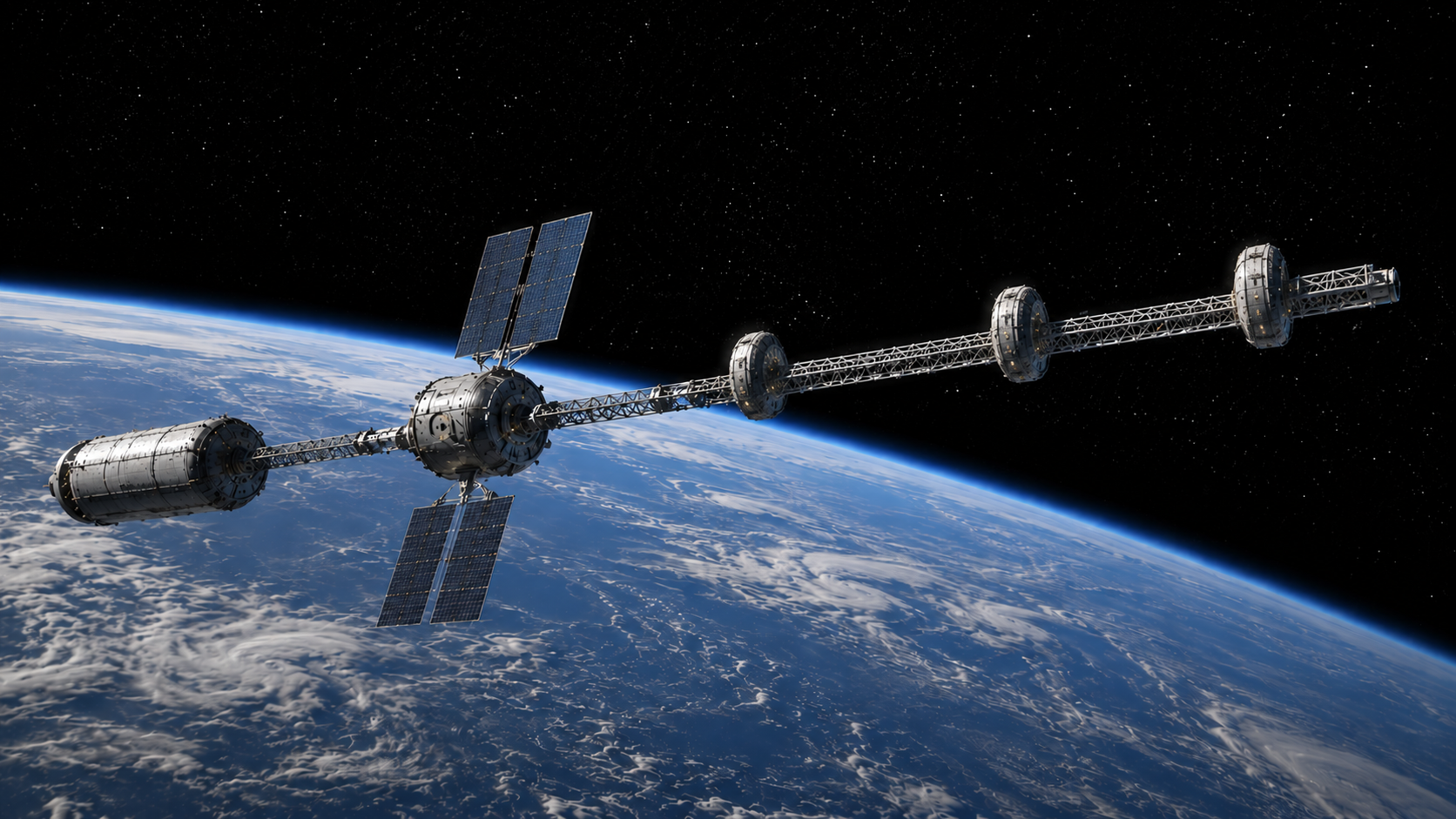
Earth–Aegis Long-Hauler

The Orbital Railroad — Cargo and Crew, Scaled for Tomorrow

The Long-Hauler is a spacefaring freightliner built to bridge Earth and Aegis Station. Designed with no launch constraints, it moves people and cargo like an orbital train: modular, scalable, and grounded in current technology. Its forward crew and passenger cars carry up to 48 people comfortably, while trailing freight modules can haul tanks, habitats, RONs, or regolith processors.

Download Long-Hauler Dossier

🖥️ AOCN: Orbital Compute Spine

The Aegis Orbital Compute Node (AOCN) is a modular LEO compute platform built around current launch, power, thermal, and communications technologies. It’s not a cloud replacement — it’s infrastructure for workloads where heat rejection and serviceability set the scale.

AOCN in low Earth orbit with large radiator panels and solar arrays
Explore AOCN →

Heat rejection sets the scale in space. AOCN is the infrastructure-first answer.

Future Concepts

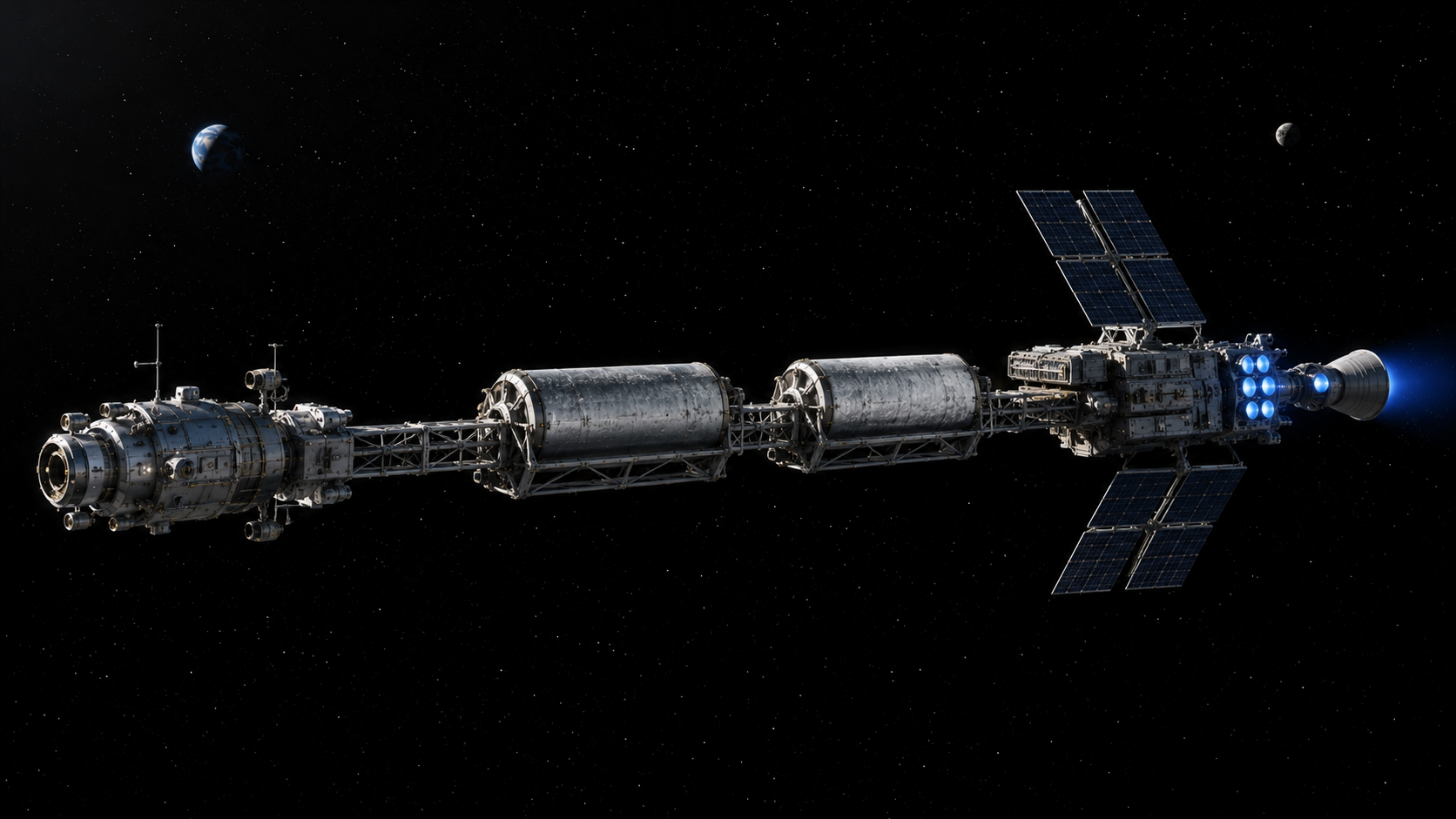
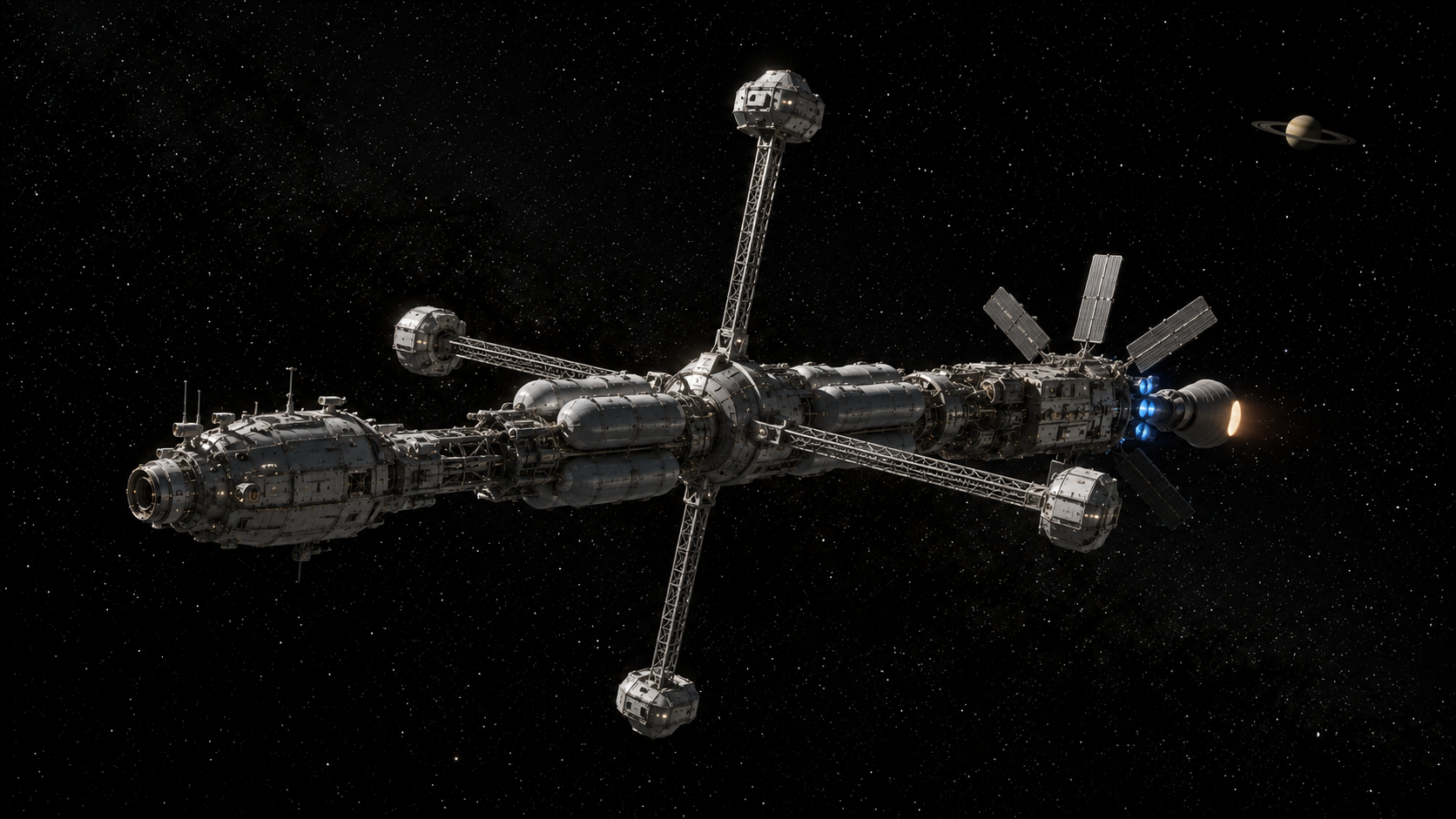
Beyond Aegis Station lies a larger vision—expeditions to the outer solar system, modular deep-space vessels, and the infrastructure to sustain a mobile human presence. This is just the beginning.

Deep Space Exploration Ship Concept

“The goal isn’t to imagine a future—it’s to live to see it. Maybe even visit.
Aegis Station isn’t science fiction. It’s something real, something permanent—a world in orbit, built with the technology we have right now.”

— A.S., Principal Architect

Ready to Help Build Aegis Station?

Whether you're an engineer, artist, strategist, or advocate—if you're serious about building the future, we want to hear from you.